The short answer: At Bath & Body Works, the holiday home fragrance collection was not built in the fall. It started in February, nine to ten months out, with a theme. Everything was locked by the end of May, purchase orders went out in June, product started arriving in August, and the stores were mapped before a single candle hit the floor. Three anchor fragrances, a buy based on last year’s sales, and one new idea every year did the rest.
This is the first post in Playbook in Practice, a series on how the ideas in this Playbook actually played out on real brands, in my earlier roles and with clients. No theory. What we did, in what order, and what you can use.
It is Thanksgiving week, so the timing fits. If you sell candles, diffusers or gifts, your holiday is on the shelf right now. The work that decided how it sells happened months ago. When I ran Home Fragrance at Bath & Body Works, Christmas was always a winner, and we built it on a calendar that did not bend.
The calendar, start to finish
Here is how a holiday collection moved from an idea to the store floor:
- February: pick the year’s theme and work out the palette with our color specialist.
- Spring: the design team decorates a full room for Christmas as a giant dream board.
- Spring: I write fragrance and product briefs for our suppliers from that room.
- Spring: R&D collects fragrance submissions, the team narrows them, and we run preference testing in the office.
- End of May, at the latest: everything locked. Fragrances, products, packaging and quantities.
- June: purchase orders go out.
- July and August: samples approved and photographed, planograms built, stores mapped with locations and promotions for every store director.
- August: product starts arriving.
Nine to ten months sounds like a lot of time. It is not. Once the briefs go out in spring, there is no second try. If a fragrance misses or a container is late, Christmas does not wait.
Start with a theme, not a product
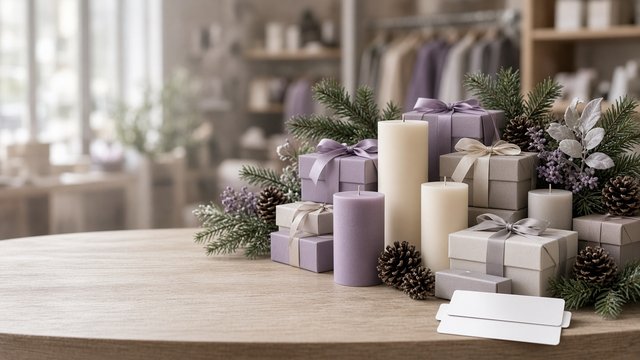
Every holiday had a theme. One year it was Country Christmas. Another was Christmas in Virginia. The theme drove the look of everything: the colors, the containers, and the labels.
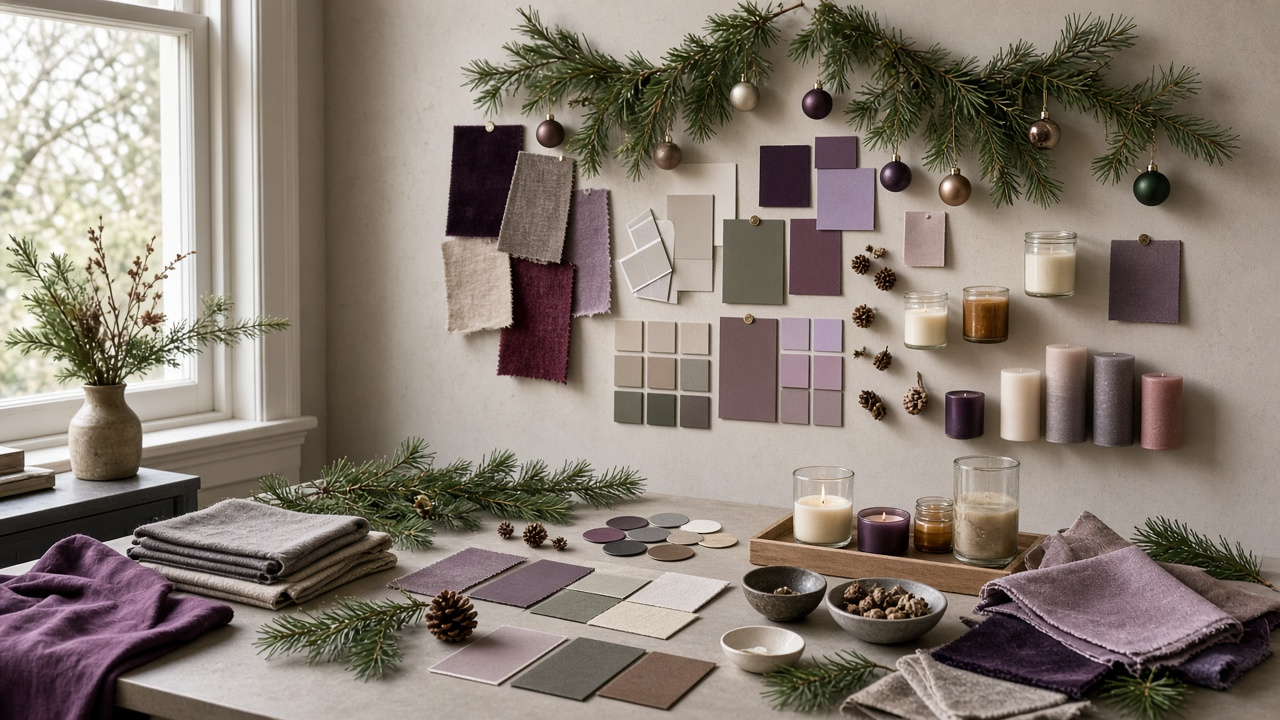
Then our design team did something I still think more brands should copy. In the spring, they decorated a whole room as if it were Christmas. It was a huge dream board you could walk into. You could stand in the middle of it and see whether the collection felt like one story or a pile of items.
From that room, I wrote the briefs for our suppliers: the colors, the looks, and some thoughts on fragrance.
Three fragrances your customer already wants
Holiday fragrance sounds complicated. It is simple. Every year I wanted three anchors:
- a vanilla type,
- a Christmas berry,
- and a green, like spruce.
We added specialty fragrances around those three, but we knew our consumer and where their focus would be. The anchors carried the season.
Our R&D team took in the fragrance submissions from suppliers and narrowed them down. Then we finalized with simple preference testing in the office and chose the best. Nothing fancy, and it worked.
Lock it by May, then map the store
The collection covered every form we sold: filled candles in decorative containers, pillar candles and bases, scent sachets, jelly jar air fresheners, room sprays and Wallflowers. Everything had to be locked down by the end of May at the latest, so purchase orders could go out in June and product could start delivering in August.
How much to buy came down to three things: the form, the fragrance, and last year’s sales of similar items. For example, a berry pillar candle was planned against last year’s similar berry pillar, not against a hope.
The step most small brands skip is the store. Samples did two jobs for us. We used them to approve the product and the packaging, and we photographed them for the planograms. In July and August, we set the stores on paper first: where every holiday item went, and which promotion ran where. Every store director got a map. When the product arrived, the stores knew exactly what to do with it.
Holiday stock always sold out. If we had anything left after Christmas, it went into our big sales right after the holiday.
Something new every year, and a lesson in safety
My job was to shepherd that process every year and to put something new into every collection. The new item is what gives a returning customer a reason to look again.
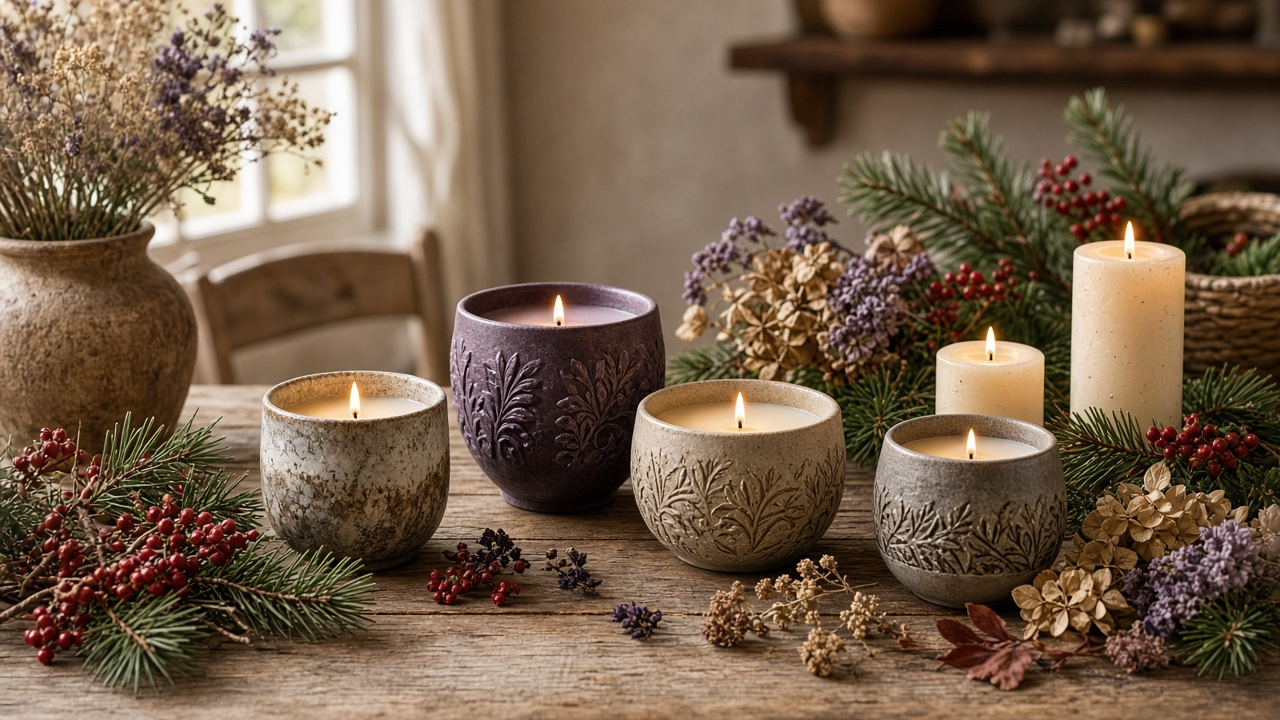
One year the theme was an artisan, Midwestern Christmas. Everything looked handmade and special. We created botanical Christmas candles that looked handmade, and they sold quickly.
They also taught us a lesson. Natural botanicals in a candle can catch fire and burn the candle down fast. That is a hazard, not a quirk. We had to develop a special shield inside the candle to keep the botanicals from lighting. If you add anything new to a candle, from dried flowers to a new container, test how it burns before you scale it.
That Christmas we beat our numbers, because we embraced the season and leaned into what we knew.
What you can use for your 2027 holiday
You do not need a design team or a room to decorate. You need the order of operations. Here is the same playbook, in the order we ran it:
- Pick your theme by February. One idea that drives the colors, containers and story for every holiday item.
- Build a dream board you can stand in front of. A wall, a table, or a shared folder of photos. If the items do not look like one story together, fix it now.
- Brief suppliers from the board. Colors, looks and fragrance direction, in writing, with pictures.
- Anchor on what your customer already wants. Pick your three proven fragrance families first, then add the specialty scents.
- Test with real people. Simple preference testing beats a debate in a conference room.
- Lock everything by the end of May. Buy by form, fragrance and last year’s sales of similar items.
- Map the shelf before the product ships. Photograph approved samples, build a simple planogram or set sheet, and give every store or retail partner the plan.
- Add one new thing, and test it hard. Newness sells. Make sure it is safe and that it ships on time.
Next step
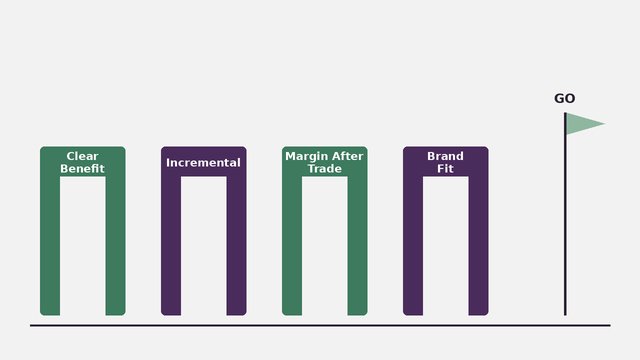
If this year’s holiday felt rushed, the fix starts in February, not October. For the margin side of seasonal items, read Limited Editions: When a Seasonal SKU Builds the Brand and When It Just Eats Margin. For how to tell whether a new item is worth making at all, see Line Extensions Start With the Shopper. And for the story of my first week running this department, when the CEO sent a holiday collection back to the drawing board, read Making Order Out of Chaos. Planning a launch or your 2027 holiday? The free Launch Scorecard below takes about three minutes.