The short answer: Small Business Saturday is Nov. 28, and for the independent shops that carry your brand it can be the biggest selling day of the year. The owner is your salesperson that day, so this week, give every shop a one-sentence reason to hand-sell you, a tester and a reorder offer. Then ask for sell-through by item on Monday so Saturday turns into January orders, not January leftovers.
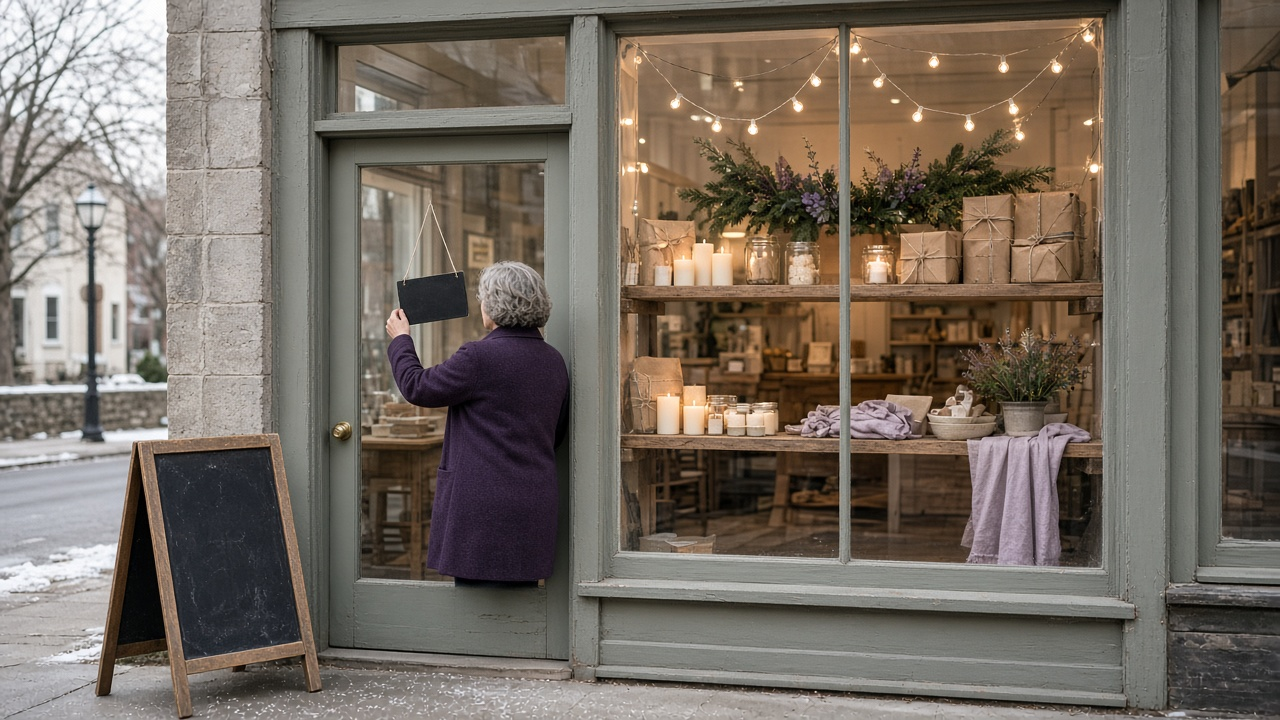
Picture a candle founder with her jars in 30 gift shops. On the Monday after Small Business Saturday she opens her inbox looking for reorders and finds two. The other 28 shops had a busy day. Her candles just were not the ones the owner reached for when a customer asked, “What would you give my sister?”
Nothing was wrong with the product. Nobody had given the owner a reason to pick it, a tester to hand over, or a simple way to reorder before the shelf went bare. This post is about fixing that this week, while there is still time.
Why Saturday matters more to the shop than to you
Small Business Saturday falls on Nov. 28 this year, the day after Black Friday. The U.S. Small Business Administration said on Nov. 19 that shoppers spent an estimated $18 billion at local merchants on the day in 2025. That figure comes from an American Express consumer survey, so read it as a self-reported estimate, not register receipts.
The 2026 numbers point the same way. American Express’s Shop Small Impact Study (Nov. 12, 2026) found:
- 88% of consumers say they are likely to shop at small businesses this holiday season, which Amex calls the strongest level since 2012.
- 72% shop small to find memorable gifts, and 70% enjoy discovering new small businesses during the holidays.
- Shoppers find small businesses through recommendations from friends and family (65%), customer reviews (45%) and social media posts (39%).
- 70% of small business owners say this year’s holiday spending will affect their ability to grow in 2027.
Read that last line from the owner’s side of the counter. For many shops, this weekend sets next year’s buying budget. A brand that sells through on Saturday earns a bigger order in January. A brand that sits there becomes the item the owner marks down and does not reorder.
One more number to watch. The Small Business & Entrepreneurship Council (Nov. 20), citing the same Amex study, says 35% of consumers plan to use AI to help find small businesses, including 45% of Gen Z and millennial consumers. A shopper who asks an assistant where to buy your candle locally can only get an answer if your site says where you are sold.
The indie shelf is curated, and the owner is the salesperson
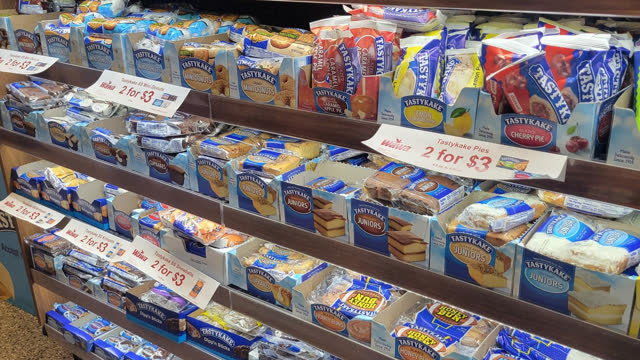
Independent retail does not work like a chain. Faire, the wholesale marketplace, published its second State of Independent Retail report on Nov. 19, 2026, based on 2026 orders from U.S. shops with a physical store. In a random sample of 3,000 of the shops that carry the most brands, 64% of pairs of shops shared no brands at all, and about 83% shared no more than one. The 20 biggest brands on Faire made up just 8% of orders. (Faire is a marketplace with an interest in independent retail growing, so weigh it as its own data.)
That tells a brand two things. First, every shop that carries you picked you by hand, usually because the owner liked the product. Second, nobody else is going to sell you in that store. There is no planogram, no endcap program and no retail media network. There is the owner, a part-time associate and a customer asking for help.
Our founder saw this at Belae Brands, selling the Claire Burke line to department stores such as Dillard’s and Kohl’s: the items that worked were the ones a store associate could explain in one sentence to a customer standing at the counter. An independent shop is that counter, every sale, all day. If the owner cannot say why your product makes a good gift in one breath, the customer buys the thing next to it.
The Small Business Saturday plan you can run this week
Cheapest steps first. Most of this costs a phone call and a few dollars of product per store.
- Call or email every shop by Tuesday (free). Ask three questions: How much of us is on the shelf? Where does it sit? What do customers say about it? You will learn more in ten calls than in any report.
- Write the one-sentence hand-sell (free). Who it is for, why it makes a good gift, and the price. For example: “It’s the candle for the person who has everything, and it’s under $30.” Send it to every owner and ask them to share it with whoever works Saturday.
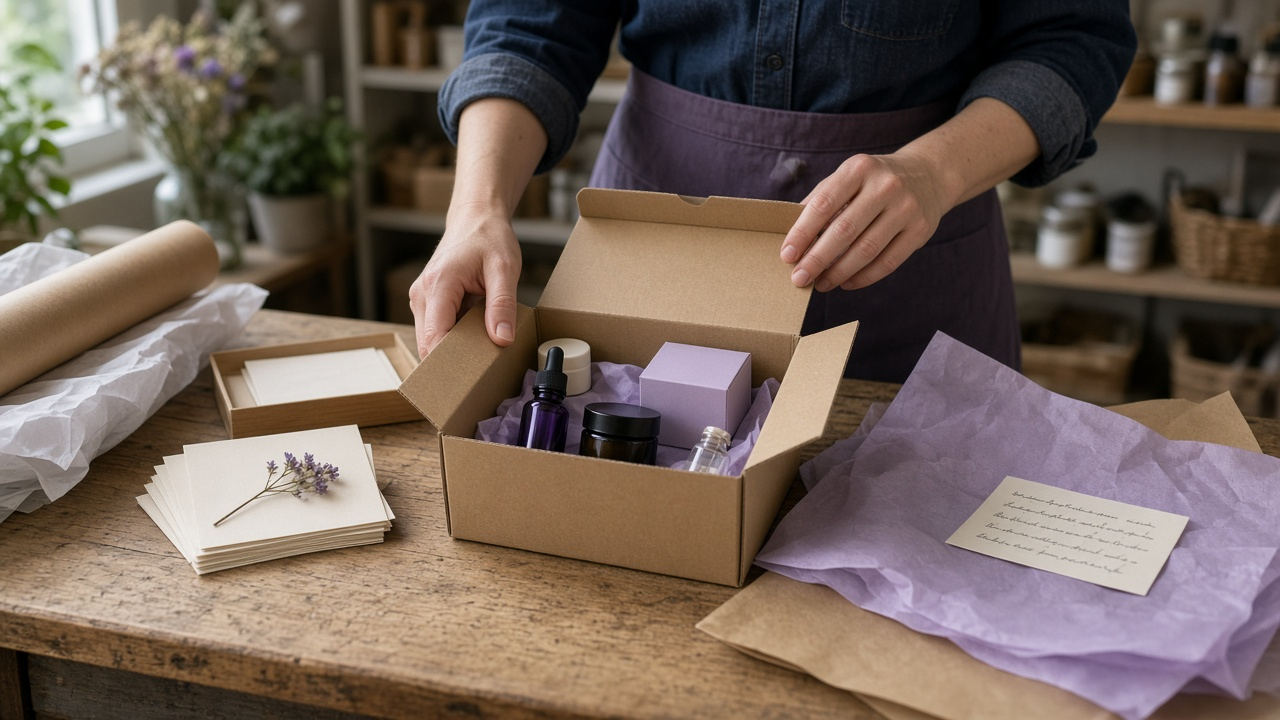
- Send testers and staff samples (low cost). An associate who has used the product sells it. A tester on the counter lets the customer smell, taste or try it. For most small brands this is a few units per store, and it is the cheapest selling you will buy all year.
- Make the gift decision easy (low cost). A small counter card, a gift-ready bundle the shop can build from stock it already has, or a ribbon and tag. Ask the owner what fits their space before you send anything. Our post on matching the hero item and price to the store type covers which item to lead with.
- Point your own audience to the shops (free). Post a list of the stores that carry you on your site and social this week, with a plain “where to buy” page. That helps shoppers, helps AI assistants answer “where can I buy this near me,” and shows the owner you are sending people their way.
- Make a reorder offer before Saturday (low cost). Give each shop a simple restock option with a clear ship date, so a sellout on Saturday becomes a reorder on Monday instead of an empty shelf through Christmas. Keep terms the same for every shop.
- Ask for sell-through on Monday, Nov. 30 (free). Units sold by item and what is left. Thank the owner first. Then rank your stores: who sold out, who sold some, who sold none. That list is your January plan.
What not to do
- Do not undercut the shops on your own site. A deep sitewide discount on Saturday tells the owner you are competing with them on the day they need you most. If you run a promotion, our post on discounting without training shoppers to wait shows how to keep it from costing you the shelf.
- Do not send a box of new items nobody asked for. A new holiday item can work, but only if the owner chose it. Our post on limited editions and seasonal items covers the margin math.
- Do not ask for the reorder before you ask how it went. Owners remember the brands that called to help, not the ones that called to sell.
- Do not treat every shop the same in January. The Monday list tells you where to put next year’s time.
Turn Saturday into January orders, not January leftovers
The real test of Small Business Saturday comes about six weeks later. In January, an owner walks the stockroom and decides what to reorder and what to mark down. Brands that sold through get the spring order. Brands still sitting in a box get a clearance sticker and a polite email.
Use the Monday sell-through list to sort your shops into three groups. The sell-outs get a call about a bigger spring order and a second item. The steady sellers get help with placement or a better tester. The shops that sold nothing get one honest conversation: is it the item, the price, the spot on the shelf, or the hand-sell? Sometimes the answer is that the shop is not the right fit, and that is useful to know before you spend more there.
Done well, one Saturday gives you something most small brands never have: store-by-store proof of what sells, in the stores that chose you. That is the story you take to the next buyer.
Next step
An indie shelf is often where a brand earns the proof a bigger retailer wants to see. When you are ready for that conversation, our retail readiness checklist covers what buyers ask before the first PO, and our pillar post, Go-to-Market Strategy Lessons From 34 Years of Launching Consumer Brands, covers what separates the brands that keep their space. At Vantage Business Consulting, we help consumer brands build the plan behind the product. If you want a quick read on where your retail plan has gaps, the free Launch Scorecard below takes about three minutes.